
Garlic looks durable externally, but it is a living commodity and behaves like other vegetables and plants. Its bulb can sprout, and roots can grow again if you don’t maintain its temperature and humidity. Special processing conditions and temperature control options make garlic a stored commodity that can be kept for extended periods.
However, importers have to ship fresh garlic from one country to another. Proper maintenance is crucial; otherwise, garlic can lose weight during transportation. Now the question is: how do importers avoid losses on garlic?
In this article, we will review the key parameters and provide a comprehensive guide to cold chain transportation of garlic. Let’s know!
3 Key Factors That Impact Garlic During Transportation

During transportation, numerous factors influence garlic and alter its condition. But three critical factors are game-changers in garlic transportation.
Temperature Management
A suitable temperature is necessary; otherwise, garlic may sprout, reducing quality during transportation. The ideal temperature range is 0-2°C.
Freezing temperatures cause damage to the cell structure and decrease garlic’s shelf life. A high temperature of 10°C accelerates sprouting and reduces quality.
Importers must consider temperature management and ensure an excellent experience!
Relative Humidity
Relative humidity is an excellent parameter for maintaining garlic. Very high or very low humidity adversely affects garlic.
A relative humidity of 60-70% is good. A very low humidity causes:
- Bulbs lose moisture and start to shrink.
- Overall, garlic shrinkage increases, leading to size reduction.
- Weight loss is common, reducing the saleable yield.
On the other hand, a high relative humidity is also dangerous in the case:
- Mold growth risk increases due to early sprouting.
- Condensation forms and shortens garlic’s shelf life.
- Skin discoloration may occur, leading to poor presentation and reduced garlic quality.
Airflow and Ventilation
Adequate ventilation is necessary for the garlic; otherwise:
- Garlic may sprout due to localized moisture buildup.
- There is an uneven quality due to improper ventilation.
- Hot spots are produced.
Importers must maintain ventilation for safer transport. They should never overload the containers. Mesh bags are ideal because they have holes that allow proper airflow.
Step 1: Pre-Shipment Preparation and Packaging: The First Line of Defense
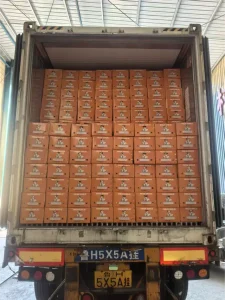
Cold chain transportation is a savior for your garlic. However, this process begins as early as the preparation and packaging of the garlic in safe boxes.
Let’s explore various tips here.
Curing and Drying
Fresh garlic always rots during transportation. Curing and drying can make it more durable and prevent early sprouting.
Quality Grading
Not all garlic is high-quality. A few pieces might have damaged bulbs. At the same time, others can have differentiated sizes. You should separate the garlic based on size and quality. It helps ship quality garlic safely.
Pre-Cooling
Removing field heat helps maintain the garlic during transportation. When high-temperature garlic is loaded, it may sprout and condense. So, consider pre-cooling before shipping.
Smart Packaging Choices
Packaging plays a crucial role as it helps control moisture and maintain the ventilation. During transportation, only a quality package can guarantee a safe journey.
Here are a few things to consider when choosing packaging.
- Mesh bags for ventilation
- Ventilated cartons
- Plastic crates with airflow slots
- Palletized loads with proper spacing
Step 2: Monitoring, Documentation, and Risk Management During Transit
During transit, monitoring and maintenance can extend the safety and shelf life. There are a few tips during transit.
Temperature Data Loggers
The temperature should be optimal during transportation. A decrease or an increase above the threshold causes the sprouting.
Data Loggers can record temperature at regular intervals and provide detailed insights into temperature compliance during shipping.
Real-time Monitoring
Real-time monitoring enables safe transportation without risks of garlic damage. Nowadays, advanced devices offer options like:
- Track temperature in real time and provide updates.
- Receive alerts if deviations occur so you can handle them before the problem snowballs.
- Detect unauthorized door openings and provide insights.
- Monitor delays and submit a report.
Documentation and Contracts
Whichever freight partner you use should meet the required conditions. For example, temperature should never exceed 10°C during transportation. Similarly, there should be humidity control.
In the event of losses, you should have insurance contracts available for reimbursement.
Step 3: Tips to Prevent Losses during Common Cold Chain Failures
It is not 100% guaranteed that your cold chain transportation will be safe. A few conditions are pretty common and cause the failure. All you have to do is prevent them and minimize the risks.
Here are those conditions.
Equipment Malfunction
If your refrigerators are not working properly, they can warm up and fail to keep food cold. Following these tips can help avoid equipment malfunction.
- Inspect reefer units before loading
- Confirm maintenance records
- Use containers with recent service certification
- Monitor continuously during voyage
Custom Delays
Customs delay occurs when you don’t have proper documentation.
To avoid delay, you should:
- Prepare documentation in advance
- Work with experienced customs brokers
- Arrange priority clearance for perishables
Temperature Situations during Inland Shipping
Sometimes, your freight forwarder maintains the temperature during sea shipping. But inland shipping can cause temperature abuse, leading to sprouting.
The following tips can help avoid this.
- Reefer trucks are pre-cooled
- Loading/unloading time is minimized
- Destination warehouses maintain proper conditions
Condensation
Sometimes, the container’s internal temperature is maintained while the humidity outside it causes condensation. It can drip into the container, compromising the garlic’s safety.
To avoid this, you should follow:
- Maintain sealed containers
- Avoid opening doors unnecessarily
- Use desiccants when appropriate
Conclusion
For importers, cold chain transportation is a serious responsibility; otherwise, garlic may sprout and lose its quality. They manage garlic quality by following the methods:
- Strict temperature and humidity control
- Smart packaging and airflow management
- Real-time monitoring systems
- Clear contractual safeguards
- Strong coordination with logistics partners
One more thing you could do is to get a high-end garlic supplier. They also ensure safe transportation throughout the journey.
Fenduni Garlic supplier is one of the top-rated solutions. Its decades of experience put it in a strong position. They produce quality garlic on a large scale and guarantee a safe shipping experience. Contact their experts right away!