
As you know, demand for garlic is high worldwide because people use it in cooking. When it comes to exporting garlic, two countries stand out: China and Egypt. China has been the dominant player in the garlic market, producing tons of garlic each year. However, Egypt is also growing fast in garlic production. Importers generally debate on China garlic vs Egypt garlic.
Some importers believe Chinese garlic is better because its prices are very low. On the other hand, others favor Egyptian garlic primarily for its higher quality. This can be confusing for someone entering the import and export of fresh garlic. In this article, I will discuss both types of garlic from an importer’s perspective. After reading this, you’ll have a clear answer on which of these garlic varieties is better for importers.
Chinese vs Egyptian Garlic: Comparison for Importers

Remember, both Chinese and Egyptian garlic are excellent in different ways. Both of these countries offer a wide range of garlic. These include purple garlic, white garlic, and so on. However, for importers, small details can significantly impact profitability and buyer trust. In the section below, I will compare both Chinese and Egyptian garlic. This will help understand the strengths and weaknesses of these garlics. As a result, you’ll choose the right type of garlic for import.
1- Quality & Shelf Life (Storage)

Egyptian garlic is excellent in quality. The reason is that garlic has a strong aroma and a better taste. Their bulbs are also larger, which customers generally like. However, Egyptian garlic has a short shelf life, which is a drawback. In contrast, Chinese garlic often undergoes chemical treatments. These treatments increase its shelf life and also affect its aroma, making it milder.
Additionally, Chinese garlic is a bit smaller. If you want to import garlic with a higher shelf life, you should import Chinese garlic. However, for better quality, strong aroma, and size, Egyptian garlic is a better option to import. It will deteriorate quickly due to its short shelf life, a fact that must be considered.
2- Size & Clove Count

Chinese garlic is small, which makes it look less attractive to customers. However, it has smaller cloves that are generally thinner, and peeling them can be a bit difficult. On the other hand, Egyptian garlic is larger and has fewer cloves. However, the cloves are thicker and more prominent. These thicker cloves make Egyptian garlic more attractive. Additionally, thicker cloves ensure these garlic cloves are easier to peel. I recommend choosing Egyptian garlic if you want customers to prefer bigger-sized cloves.
3- Target Market & Supply
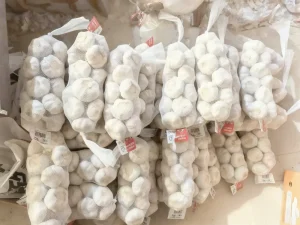
The target market is crucial when importing garlic. If you are importing garlic to Europe, you should always consider Egyptian garlic. The reason is that European customers consider quality over pricing. In contrast, for third-world countries like those in Africa, Chinese garlic is the best option. That’s because customers in such countries are price-sensitive.
They can compromise on the size and quality of garlic for the price. Additionally, China produces around 70% of the world’s garlic. So you will get a steady and consistent supply from China. Although Egypt is growing its garlic market, its supply may not be as smooth as China’s. If you import garlic in large amounts, going to the Chinese market is a better option.
4- Logistics & Shipping
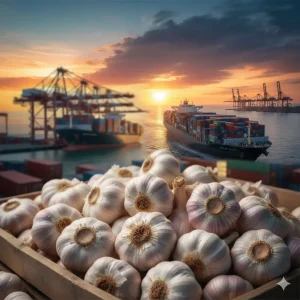
Logistics and shipping are important considerations for the garlic importers. China is the world’s largest exporter, with robust infrastructure. I would favor Chinese garlic for better logistics handling and shipping. Additionally, you will incur fewer shipping taxes, a significant advantage. On the other hand, logistics and shipping might be a bit more complex in Egypt. Remember, shipping garlic from Egypt to the Middle East or European countries takes less time, reducing freight costs. If you’re importing garlic to Europe, I would recommend choosing Egyptian garlic. Remember, shipping garlic from China can take more time, which can be a disadvantage.
5- Harvest Season & Export Window

The harvest season and export window are other essential considerations. When do you want to import garlic? Answering this question will solve your problem. Egyptian garlic is generally harvested in January. The export of this garlic from Egypt to other countries starts from March to July. On the other hand, Chinese garlic is harvested around October.
Its exports start from October to November. If you are importing in early years, such as March or April, going with Egyptian garlic is the best approach. This way, you’ll get fresh garlic with a strong taste and aroma. In later parts of the year, like November, importing Chinese garlic makes sense. You should always choose an export window to get fresh garlic rather than a stored or preserved one.
6- Cost vs Profit Margin
Chinese garlic stands out in terms of cost and profit margin. As I said above, the cost of Chinese garlic is very low. Why? The reason is that Garlic is produced in large amounts in China. Its higher supply keeps the prices under control. Additionally, there is less tax on garlic imported from China. This way, you get a price advantage and sell garlic to your customer at a higher rate.
This ensures a decent profit margin. Remember, this garlic is imported into countries like Africa, where people are budget-conscious. Low prices help sellers ensure profits even in these poor countries. On the other hand, Egyptian garlic is highly priced due to less production and more demand. However, the quality of this garlic is high, with a stronger aroma and larger cloves.
That’s why it is generally in demand in European countries, where customers are willing to pay more for quality. Despite higher pricing, these garlics are sold in the premium segment. This aspect ensures decent profit despite the high upfront cost of Egyptian garlic. This means both of these garlics have a profit margin. However, Chinese garlic still stands out for its very low price. This gives importers the luxury of adjusting the prices to get a better profit margin.
Verdict: Which Garlic to Import, Chinese or Egyptian?
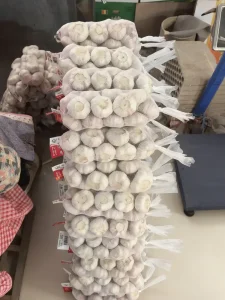
The decision between Chinese and Egyptian garlic depends on individual preferences. Some importers always stick to Chinese garlic due to its high demand and low prices. In contrast, some importers are shifting to Egyptian garlic for its quality.
The best approach is to analyze what customers need. If your customer requires high-quality garlic, you should import Egyptian garlic. Despite higher prices, customers will still pay, resulting in profitability for you. In contrast, for third countries, importing Chinese garlic makes sense. Its low upfront cost will help you make a decent profit despite working in third-world developing countries.
It is also crucial to consider the time of the year to help with importing. Remember, importers don’t need to stick to a single country when importing garlic. If you’re importing in the first month of the year, go with Egyptian garlic. In contrast, if you’re importing later in the year, choosing Chinese garlic is the best option.
This way, you’ll get fresh garlic with a strong aroma, not stored garlic with a mild aroma. If you import Egyptian garlic in November or Chinese garlic in February or March, you’ll get stored or preserved garlic. This garlic won’t be fresh and will have a weaker aroma. Customers generally dislike stored garlic with a weaker aroma. You should also consider the ease of import when importing garlic.