
Garlic is cultivated all around the world. Two major sources are China and America. The garlic they offer can vary in size, flavor, cost, and availability. Chinese Garlic has a solid position in the international market. Garlic is grown at a very large scale in China [1].
This helps exporters provide a steady supply and competitive prices. American garlic is also well-liked in local markets. But commercial buyers are more concerned with price and availability. This article looks at both and will tell you which one is more cost-effective.
Key Highlights:
- Chinese Garlic is typically cheaper as it is grown on a much larger scale.
- It provides numerous benefits for bulk supply, sizing, packing, and export.
- American garlic may be appropriate for local or specialty markets, but may be more expensive.
- Chinese Garlic is an excellent option for wholesalers and large buyers in terms of overall value.
What’s the Difference Between American and Chinese Garlic?

At first glance, American and Chinese garlic can look quite similar. But upon closer inspection, there are several key distinctions.
1) Growing Region and How the Garlic Is Grown
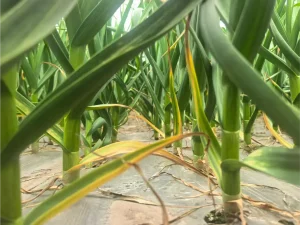
Garlic production in China is much greater than that of the USA [1]. Shandong, Henan, and Jiangsu are the major growing areas. Garlic farming is suitable in these areas as the soil and climate conditions are apt.
Large farms and packing centers drive exports. This facilitates the provision of buyers in numerous nations. It also helps maintain competitiveness.
In the USA, commercial garlic is mainly produced in California [2,3]. According to USDA statistics, California is also the largest contributor to U.S. garlic production [3]. Garlic plants grown in the United States produce good-quality garlic. However, labor and production costs are typically higher, so they are likely to sell for more.
2) Appearance, Bulb Size, and Clove Structure
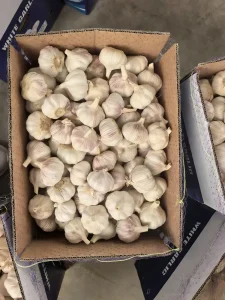
Chinese Garlic is characterized by its uniformity. Export-quality Chinese garlic often has white or light purple bulbs. They are also screened and sized before shipping.
This is crucial for wholesale buyers. Retailers may prefer that bulbs be somewhat uniform within each pack. Food businesses may need a consistent size for ease of use.
American garlic may have rougher outside skins. A few varieties also feature bigger cloves. The exact appearance varies with varieties and growing area.
Chinese exporters typically offer a range of bulb sizes. The typical export sizes are between 4.5 cm and 6.5 cm. This provides buyers with increased choice for various markets.
3) Flavor and Aroma
There are different types of garlic, and the flavor can vary from one to another. The taste also depends on freshness and storage.
Chinese Garlic has a pungent garlic flavor. It’s a flavor that complements cooked items, sauces, and processed foods. This can be useful for food production and home use.
Some American varieties are more intense or sharper in flavor. This can be an appealing factor to customers who are purchasing for a particular taste.
For most commercial buyers, it’s not just a matter of taste. Availability, price, and size are also important. Chinese Garlic performs well in all three aspects.
American vs. Chinese Garlic at a Glance
| Factor | Chinese Garlic | American Garlic |
| Price | More competitive | Usually higher |
| Supply | Available in large volumes | More limited |
| Bulb Size | Wide range of grades | Varies by variety |
| Export Suitability | Strong | More domestic-focused |
| Best For | Wholesale and bulk buyers | Local and specialty markets |
Chinese Garlic and Why It Is a Global Market Favorite

Chinese Garlic is in a good position in the world market. One is the volume of production. China grows much more garlic than most other nations [1]. This ensures exporters a steady supply.
The cost of the item is a significant consideration. Chinese growers have a lower garlic production cost. Large farming areas also reduce the cost per unit. This enables Chinese exporters to provide competitive rates to buyers.
Chinese Garlic is also offered in various grades and sizes. Buyers have a selection of products for retail, food service, or processing. There are also various packing options available. This renders the sourcing easier for importers.
The export system is another advantage. Chinese suppliers have years of experience handling overseas orders. Many suppliers handle large export shipments throughout the year. They are aware of grading, packing, storage, and shipping requirements.
Storage is also a key factor. With the proper conditions, buyers can store garlic for a long time. Cold storage enables Chinese exporters to provide buyers outside of the main harvest season. This can help importers have greater control over their stock.
These are factors that are important to commercial buyers. They require good quality at a fair price. They also require sufficient supplies during peak demand. Chinese Garlic is good for this purpose. That is one of the reasons it remains a good option in international trade.
Price, Availability, and Shelf Life: Where Chinese Garlic Has the Advantage

Many buyers consider quality just part of it. Price and quantity are important as well. Garlic must be delivered in good condition. It should also be available when buyers need it.
1) Better Value for High-Volume Buyers

Chinese Garlic will be cheaper than American garlic. It is primarily a matter of production scale. Garlic is produced in large quantities in China [1].
The higher the output, the lower the cost per kilogram. Export and packing systems also operate on a large scale. This can make it cheaper for potential buyers.
American garlic tends to be more costly. Labor and agricultural costs are higher in the United States [2]. These costs are usually included in the selling price.
This price difference is significant for big purchases. If there is just a little difference per kilogram, it can add up in a full container. Chinese Garlic can offer better value to importers and food businesses.
2) Regularly Supplied Throughout the Year.
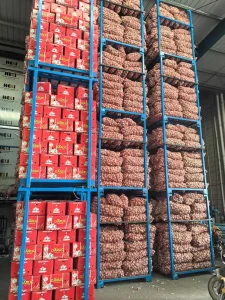
Garlic is a seasonally grown crop. But buyers must have stock, at least for most of the year.
There is a well-developed storage and export network in China. Fresh garlic is harvested and sold in the market. In subsequent months, stored garlic can help meet demand.
This will assist importers in ordering with fewer gaps. It also reduces the risk of sudden stock shortages.
Chinese suppliers can also handle orders of various sizes. It is beneficial for wholesalers experiencing demand fluctuations. It allows buyers to have greater influence on stocks.
3) Storage and Shipping Performance
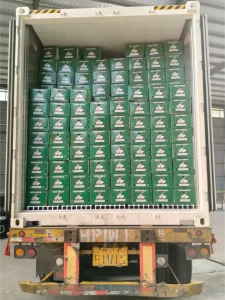
If handled properly, garlic can be transported great distances. Post-harvest curing is essential. Proper storage protects the bulbs as well.
Chinese Garlic is ready for export. Bulbs are dried and sorted before packing. Damage is sorted out.
Cold storage may also be beneficial for quality maintenance. The temperature and airflow should remain within acceptable ranges.
Origin is not the only factor in determining shelf life. Quality at harvest and storage conditions are just as important. These are the steps from packing to shipment, and a good exporter controls these steps.
This is an advantage for Chinese Garlic in long-distance trade. Costs are reasonable, and buyers can get large quantities of the same. They can also get ready-to-sell or ready-to-use garlic.
Is Chinese Garlic Better Than American Garlic?

It depends on the buyer’s requirements. Both types may be of good quality. But commercial buyers may value Chinese Garlic more.
If you want to purchase local garlic, you can count on American garlic. Some consumers also select it for some particular varieties or for a more intense flavor. The biggest problem is that it is expensive. The higher farming and labor costs in the United States make U.S. garlic more expensive [2].
The benefits of Chinese garlic are different. It is produced on a much greater scale [1]. This helps to maintain low prices. It also provides buyers with more size and grade options.
Another major consideration is supply. Importers often need to order garlic in bulk. They also require a stock throughout the different seasons. China has a well-developed storage and export system. This will facilitate regular supply.
Chinese garlic suppliers also offer a wide range of packing options. Garlic is available for retail, wholesale, and food processing. This helps match the product to local market needs.
Chinese Garlic is the more robust option for most commercial buyers. It provides a fair level of quality, price, and availability. American garlic might be appropriate to some local or premium markets. When it comes to large-scale trading, it is often more advantageous to turn to Chinese Garlic.
What to Look for When Buying Chinese Garlic

There are different quality standards among suppliers. Before placing a big order, it is important to check the product.
Good Chinese Garlic is firm and dry. The outside skin should be free of dirt and unbroken. If the bulbs are soft, this may be due to poor storage or old stock.
Size also matters. Bulbs of each grade should be alike. This is important for retail packs and wholesale cartons.
It’s also important that buyers look for mold and any excess moisture. Another red flag is sprouting. While some might be present in older stock, excessive sprouting can decrease quality.
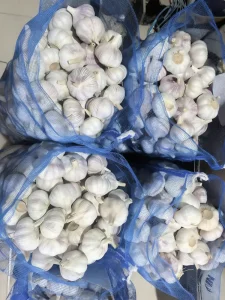
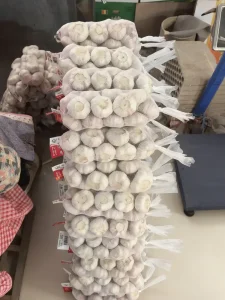
Packing should correspond with the market to which it is sent. Mesh bags are commonly used for wholesale garlic packaging. Smaller packs could be more suitable for supermarkets and retail stores.
How they are stored is equally crucial. Garlic requires good air circulation and temperature regulation. Poor storage can reduce shelf life and impair appearance.
It is also advisable to use an expert exporter. The supplier needs to be familiar with the grading, packing, and shipping requirements. Don’t hesitate to supply product information before shipment.
However, price shouldn’t be the sole consideration. If the price is very low, it may be lower-quality merchandise. Buyers must choose quality, size, packing, and storage conditions.
A Quick Buyer’s Guide to Chinese Garlic
- Look for bulbs that are heavy for their size, firm, and dry.
- Ensure the outer skin is clean and free of mold or dark spots.
- If you are packing the garlic for retail or wholesale, look for uniformity in bulb size.
- Do not choose bulbs that have excessive moisture and soft cloves.
- Verify grade, packing type, and storage conditions before placing a large order.
FAQs:
1) Is There a Difference Between Chinese and American Garlic?
Yes. The basic distinctions are price, supply, bulb size, and production scale. A much larger volume of Chinese Garlic is produced. American garlic is sometimes sold for a higher price. The flavor and shape may also vary among varieties.
2) Is Chinese Garlic Good Quality?
Yes, provided it is from a trustworthy supplier. Chinese garlic is good if it is firm, dry, and free of mold. Export-quality bulbs are also graded for quality and size before leaving the country. The quality depends on the quality of farming, curing, storage, and packing. The final quality is not determined by country of origin.
3) Why Is Chinese Garlic Less Expensive?
Garlic is cultivated extensively in China [1]. This helps lower production costs. Lower prices are also associated with large packing centers and export networks.
Cheap doesn’t always imply shoddy. Chinese Garlic is an excellent option in terms of price and commercial grade, and is therefore the preferred choice for many buyers.
4) Is There Any Taste Difference Between Chinese Garlic and American Garlic?
There can be a difference. Some American cultivars are more pungent-flavored. Chinese Garlic can be quite fresh and pungent. Freshness and variety are also important to taste. Flavor can be influenced by storage conditions, too.
5) Which Garlic Is Best for Wholesale Buyers?
Chinese Garlic is a more suitable variety for wholesale trading. It is widely available in large volumes. There are also various sizes and packing options available. Price is another benefit. The reduced cost per kilogram can make all the difference on big orders.
6) What Is the Shelf Life of Chinese Garlic?
There is no single fixed shelf life for every shipment. The length of storage is influenced by temperature, ventilation, moisture, and condition of bulbs. When cured correctly, garlic will keep for months. It may be stored in cold storage to prolong its shelf life. Good handling after delivery is also important.
Final Thoughts!
There are market opportunities for both the American and Chinese garlic varieties. Which of the two is better depends on the buyer’s needs.
For those looking for local produce, American garlic might be a good choice. It can also be attractive to customers who prefer certain regional varieties. The increased cost, however, may be an issue if you are ordering in large quantities.
Chinese Garlic provides a good alternative for export. Garlic is grown on a very large scale in China [1]. This helps to ensure a consistent supply while keeping the prices competitive. Various sizes, grades, and packing are also available to buyers.
These points are relevant for importers, wholesalers, and food companies. Their requirement is for supply stability and value. They also require garlic that can withstand long-distance shipping. Therefore, Chinese Garlic is a better option for large-scale buyers. A good export house can also help to sustain quality from packing to delivery.
Buy good-quality Chinese Garlic at the best price in the market. Don’t hesitate to get in touch with us to discuss sizes, packaging, and bulk orders.
References:
[1] Food and Agriculture Organization of the United Nations (FAO). FAOSTAT – Crops and Livestock Products. FAOSTAT provides agricultural production data by country and confirms China’s leading role in global garlic production. [2] U.S. Department of Agriculture, Economic Research Service (USDA ERS). Increased U.S. Imports of Fresh Fruit and Vegetables. The report covers Chinese garlic production, pricing, year-round supply, and competition with U.S. garlic. It also notes that most U.S. garlic producers are based in California. [3] U.S. Department of Agriculture, National Agricultural Statistics Service (USDA NASS). Vegetables 2024 Summary. The report provides recent figures for U.S. garlic acreage, production, and prices. Its 2024 data show California accounting for the reported U.S. commercial garlic production.