Chinese garlic is widely traded worldwide and in international markets. Sometimes, claims and rumors circulate about contaminated irrigation water, polluted farmland, pesticides, or heavy metals in Chinese garlic. That raises one question: Is Chinese Garlic Safe to eat?
The answer doesn’t depend on the origin. Various authorities monitor and ensure the top-notch quality of Chinese garlic. These same authorities apply different standards and criteria for premium garlic supplies. Today we will discuss whether garlic is safe.
Why is Chinese Garlic Considered Unsafe? Rumors!!
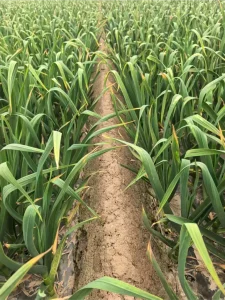
No one can say whether Chinese garlic is safe, because it depends on more than its origin. A few parameters and conditions matter—and the first is why Chinese garlic is considered unsafe.
We have listed a few rumors so far.
Concerns about Agricultural Soil
One key rumor concerns agricultural soil. Since garlic grows in soil, contaminated agricultural soil can affect the entire garlic crop and may be highly toxic for some users.
Therefore, people may have concerns about agricultural soil, including:
- Possible heavy-metal contamination in agricultural soil.
- Industrial or environmental pollution near farming areas.
- Historical contamination of agricultural land.
- Improper use of fertilizers or other agricultural inputs.
- Lack of adequate soil monitoring in poorly controlled production systems.
Concerns related to water

Water irrigation is essential for Chinese garlic production. Risk factors related to irrigation systems include contamination from water sources. That is what most people think about, and they want safe, quality water for garlic production.
Here are a few key concerns related to water usage in Chinese garlic production.
- Water sourced from polluted rivers or channels.
- Agricultural water exposed to industrial contamination.
- Poorly managed water sources are available in China.
- Insufficient water-quality monitoring leads to contamination.
- Contamination transferred from water to crops or agricultural surfaces.
Heavy Metal Usage
Various heavy metals are potentially toxic to consumers. Key heavy metals include lead, cadmium, arsenic, mercury, and other potentially harmful elements.
Heavy metals are not the biggest concern. Instead, elevated quantities of heavy metals are the concern.
Consumers often worry about heavy metal use.
- Lead contamination.
- Cadmium accumulation.
- Arsenic in soil or water.
- Mercury from environmental sources.
- Long-term exposure to excessive contaminant levels.
Pesticide Usage
Like other crops, garlic production may involve pesticide usage. During processing and cleaning, pesticide residues may still be present in Chinese garlic, raising major concerns among users.
Here are a few typical concerns about pesticide usage.
- Excessive pesticide application.
- Use of unauthorized agricultural chemicals.
- Incorrect application rates.
- Failure to follow pre-harvest intervals.
- Residues exceeding the applicable maximum residue limits.
Supply Chain Transparency
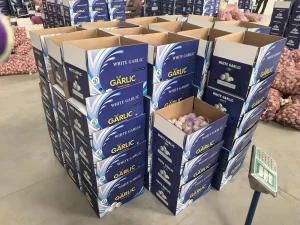
The supply chain system helps to track origin, processing, and final cleaning and delivery. Vague supply chain systems often raise questions about the authenticity and quality of the garlic supplies.
Typical concerns about the supply chain include:
- Limited traceability.
- Incomplete farm records.
- Unverified supplier claims.
- Mixing products from different production sources.
- Poor documentation of testing and quality control.
Why is Chinese Garlic Considered Safe?
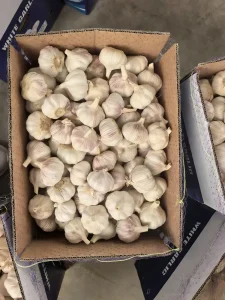
Despite concerns about this garlic, several factors may make it safe. We have covered all the reasons to ensure safe Chinese garlic.
Export-Oriented Farms Follow Agricultural Controls
Many garlic suppliers in China follow agricultural controls. They may follow GLOBAL GAP and other agricultural controls to help ensure safe garlic production.
While other farmers may follow other controls, here are a few typical agricultural controls.
- Agricultural input management.
- Crop protection procedures.
- Farm record keeping.
- Traceability requirements.
- Harvest and handling procedures.
- Food-safety risk assessment.
Soil and Water are Monitored
In Chinese garlic production, soil and water use are closely monitored to ensure safety. If you are a buyer, you can regularly monitor the water usage and even test the garlic at the end of the farming and harvesting periods.
The typical controls are:
- Assessment of agricultural soil.
- Evaluation of irrigation-water sources.
- Water-quality testing where required.
- Identification of potential contamination sources.
- Corrective measures when problems are detected.
- Documentation of relevant testing and monitoring.
Heavy Metals Are Subject to Food-Safety Limits
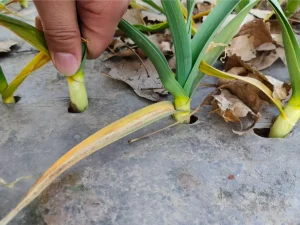
The presence of heavy metals doesn’t make the food unsafe. It is only unsafe when the quantities exceed the desired limits. However, food safety authorities test garlic for heavy metal content.
Therefore, different testing programs and systems in China regulate and ensure:
- Testing for relevant contaminants where required.
- Applying applicable maximum contaminant limits.
- Reviewing laboratory results.
- Rejecting non-compliant products.
- Maintaining lot-level records.
- Conducting additional testing when risk assessments indicate a need.
Pesticide Residues Are Regulated
Pesticides are never blindly used. Instead, they are typically regulated. Depending on the importing and exporting countries, importers and exporters must regulate pesticide use and use only approved products.
The typical controls are:
- Approved pesticide use.
- Correct application rates.
- Pre-harvest intervals.
- Residue monitoring.
- Laboratory testing where applicable.
- Compliance with destination-market limits.
Export and Import Controls Add Another Safety Layer
In addition to the above safety layers, a key safety measure is import and export control. Products don’t leave the border unless and until they are 100% safe and regulated.
Several controls apply to ensure the safety of garlic.
- Export documentation.
- Product and packaging inspections.
- Sampling and laboratory testing.
- Pesticide-residue checks where applicable.
- Contaminant testing where required.
- Import inspection and customs procedures.
- Rejection or other action against non-compliant shipments.
Conclusion
There are always rumors about Chinese garlic being unsafe, but don’t worry. Strict regulatory requirements govern and ensure Chinese garlic is premium quality, safe for users, and delivers the best taste. However, you should also know the standards your suppliers apply when buying.
If you are looking for premium-grade garlic quality, look no further. Contact Fenduni Garlic Suppliers to browse our garlic supplies. We produce, farm, and process one of the best garlic products, then deliver it to your doorstep. Contact our experts to discuss your project right away!