
Chinese garlic is famous all around the globe for its premium quality, excellent prices, and powerful taste. If you have purchased Chinese garlic, you might have noticed one thing— smooth and flat bottoms with no visible roots. It has led to many online rumors and myths. Most people believe it is because of low-quality garlic grown in contaminated soil. Some even claim that toxic chemicals were used.
If you believe the same way, don’t worry at all. We have discussed the facts related to no roots in Chinese garlic and understood exactly why it happens. Let’s know!
The Myths: Why Are Garlic Roots Removed?
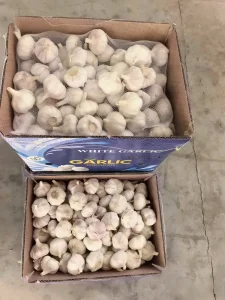
If you have ever noticed Chinese garlic, it is often free of roots. Because of this, there have been many rumors and claims. But there is no evidence that Chinese garlic has no roots because of contaminated soil or low-quality practices.
For garlic quality testing, testing garlic tissues, soil samples, irrigation water, and harvested bulbs often suggests it is not the roots.
Here are a few myths explained.
Myth #1: The Purpose is to Hide the Toxic Soil
Most people believe removing the garlic roots aims to hide the toxic soil, but that is not the case. There are several reasons for this. For Example, roots don’t hide toxic soil.
Moreover, many laboratories and international testing bodies have developed a few testing methods for toxic soil.
Here are a few facts to debunk this myth.
- Soil contamination has no relationship with trimming roots.
- Laboratory testing examines the garlic growing environment.
- For food safety inspections, visual appearance doesn’t matter.
Myth #2: Root Trimming Hides Excessive Chemical Use
It is another common misconception that trimming roots hides excessive chemical use. Chemical use occurs when farming uses excessive chemical amounts compared to defined limits.
However, roots don’t hide chemical use; the following facts show this.
- Pesticide testing does not correlate with the roots and has different mechanisms.
- The analysis of edible bulbs mainly occurs during food safety inspections.
- Removing roots doesn’t hide excessive chemical residues.
Myth #3: Rootless Garlic Is Unsafe to Eat
Some consumers have misconceptions that rootless garlic is dangerous and unsafe. This is not the case, as garlic quality and integrity depend on proper cultivation, harvesting, storage, transportation, and compliance with food safety standards.
Here are a few key factors to know.
- Root trimming is not a standalone factor for safety.
- Proper handling offers a greater impact on quality.
- Food safety depends on regulatory compliance.
Myth #4: Only Chinese Garlic Has Its Roots Removed
Since Chinese garlic is exported globally, many consumers believe that only Chinese garlic has the rootless plants. This is not the case because garlic around the globe behaves in the same way.
Many harvesters remove the garlic roots after harvesting them. Here are a few facts to know.
- Root trimming is a common practice in international trade.
- It is not exclusive to Chinese garlic.
- Export standards often require clean and soil-free garlic.
Myth #5: Garlic Without Roots Cannot Grow or Sprout
Many importers and exporters still believe that garlic without roots isn’t ready for sprouting. It is a total misconception because the garlic has cloves that sprout and grow.
When garlic without roots is exposed to moisture and water vapor, it shows significant sprouting and growth.
Here are a few significant facts to know.
- Bulb viability determines the growth potential of the garlic.
- Sprouting depends on the health of the clove.
- Root trimming does not always stop germination.
The Agricultural Reality: Why Garlic Roots Are Actually Trimmed.
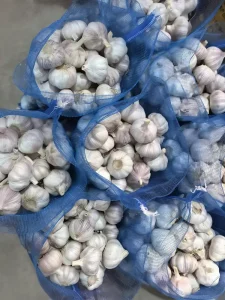
You might wonder, but there are a few hidden facts and realities behind the garlic root trimming. We have listed all the crucial facts.
Fact #1: Removes Attached Soil and Debris
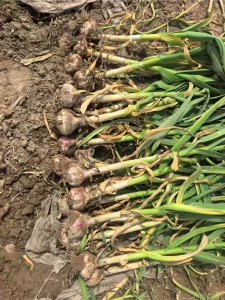
Roots contain debris and soil. It can affect the whole garlic supply. Sometimes, soil brings contamination and causes the accumulation of debris. Reducing and removing the roots also supports the following goals.
- Reduces attached soil.
- Removes plant debris.
- Produces cleaner garlic bulbs.
- Improves post-harvest handling.
Fact #2: Meets International Safety Regulations

Many countries have strict rules and regulations. Since roots contain soil, they can import pests and other chemicals as well. It will get rejected due to such issues. To avoid these cases and get a clear international standards sheet, China garlic avoids the roots and:
- Reduces the risk of invasive pests.
- Helps comply with import regulations.
- Supports agricultural biosecurity.
- Protects local farming industries.
Fact #3: Helps with Proper Transportation
Exporting from China requires much more time. Garlic remains in transit for several weeks or days. During this period, garlic roots can capture moisture and might sprout. Removal of the garlic roots.
- Reduces moisture buildup.
- Lowers the risk of mold.
- Keeps packaging cleaner.
- Improves long-term storage.
Fact #4: Appearance is Appealing and More Uniform
When roots are left in, garlic doesn’t have a premium quality look. With the removal of the roots, the whole bulbs look more uniform and are easier to pack and transport to distant regions efficiently.
- Improves visual appearance.
- Makes grading more consistent.
- Simplifies packaging.
- Enhances market presentation
Fact #5: Root Trimming Does Not Affect Garlic Quality
There are no issues with root trimming, as it doesn’t have an impact on garlic quality. Roots are not the edible portions. Therefore, root trimming doesn’t significantly affect garlic quality.
Root trimming has a few reality checks.
- Does not change flavor.
- Does not reduce nutritional value.
- Does not affect cooking performance.
- Quality depends on freshness and proper storage, not on whether the roots are attached.
Conclusion
Chinese garlic is affordable, high-quality, and premium depending on how you choose. You must beware of imposters and buy from quality suppliers to avoid the risks of low-quality garlic. Make sure you purchase premium garlic supplies through testing and inspections.
You don’t have to worry about the quality of garlic when Fenduni Garlic Suppliers are here. We offer a wide range of garlic options and ensure premium quality with guaranteed safety. Contact our experts to let us know your needs.