
Garlic is one of the most important agricultural products in the world. Due to its health benefits and unique flavor, the demand for garlic is growing every year. Because of this rising demand, countries like Ghana import garlic from some garlic-rich countries like China. But this import process is not very straightforward. So you might wonder: How to import garlic to Ghana?
Actually, the garlic import business is highly profitable. That’s why many are now engaging in this business. But if you are a beginner, the import process may seem confusing at first, and you may face difficulties. But worry not! In this guide, I will explain, step by step, the garlic import process to Ghana and help you estimate the costs and import duties. So let’s get started.
Common Types of Garlic Imported into Ghana

Before you get started, you must know that not all garlic can be imported into Ghana. There are some special types that Ghana demands, based on its local market. When you know those types, you target the market and avoid purchasing garlic that may not sell well locally. For your convenience, here is a list of common garlic types imported into Ghana.
- Chinese White Garlic: one of the most common types of garlic that Ghana imports is Chinese white garlic. Ghanaian importers prefer it because it is widely available, and very affordable. China is currently one of the world’s largest garlic exporters. So Ghanaian traders often import this white garlic.
- Pure White Garlic: Another type is pure white garlic, which is known for its clean white appearance. It has a smooth, white outer skin and medium to large-sized cloves.
- Purple Stripe Garlic: As the name suggests, this garlic type has purple lines or stripes on its outer skin. It is known for its strong and spicy flavor. Also, it is softer than some white varieties.
- Solo Garlic: Solo garlic contains only one large clove, unlike many small ones. This garlic variety is becoming more popular in Ghanaian markets because it peels very easily.
- Organic Garlic: Organic garlic is grown without heavy chemical fertilizers or harmful pesticides. It is now becoming very popular in Ghana among health-conscious consumers.
- Fresh Garlic: Fresh garlic is one of the most widely used types of garlic in Ghana. It is known for its high moisture content, strong smell, and juicy cloves.
- Dried Garlic: Besides all, you can also import dried garlic to Ghana. It is actually processed to remove most of its moisture. This process allows it to last much longer than fresh garlic and makes it better for long-distance imports.
Major Garlic Exporting Countries to Ghana

You might know that Ghana is one major importer of garlic. There, garlic is not produced in massive amounts due to varying environmental conditions. But the demand for garlic in Ghana is much higher. To meet this demand, Ghana imports garlic from several countries. For your better understanding, here is the list of major countries that export garlic to Ghana.
- China: First, there is China, which is the largest garlic exporter to Ghana. Not only this, but it also exports its garlic to many other countries worldwide. The first reason China dominates the garlic market is its massive garlic production. This is due to its suitable environmental conditions for garlic. Also, garlic prices are very low compared to those of other countries. There, labor costs are very low, and there are large storage facilities. That’s why Ghana always prioritizes and heavily depends on China for importing garlic.
- India: India is another important garlic-exporting country for Ghana. Ghana imports Indian garlic for its strong smell and rich flavor.
- Spain: In Europe, Spain is a famous garlic exporter. Spanish garlic is usually considered premium quality.
- Argentina: Argentina also exports garlic to international markets. It usually exports its garlic to nearby African countries, such as Ghana.
- Turkey: Turkey produces a large variety of flavorful garlic. Turkish garlic is often preferred for its natural taste and quality. That’s why Ghana also sometimes imports garlic from there.
Step-by-Step Process to Import Garlic to Ghana
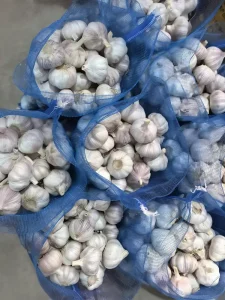
Before you start importing garlic into Ghana, know that you cannot just buy garlic and ship it directly. You will need to understand import rules and other related matters. To make this process easier for you, I will outline a few steps to help avoid delays and extra costs.
Step 1: Research the Ghanaian Garlic Market
Before you start anything, you need to understand the Ghanaian market. You have to know how garlic is sold, who buys it, and what price people are willing to pay. To understand all this, first observe how garlic is used in Ghana. It is mainly bought by households, restaurants, hotels, food vendors, and supermarkets. But remember that all of them have different garlic requirements. So go and know each buyer’s requirements.
After that, check the current market prices. As you know, garlic prices change with the season, supply, and demand. So you have to check the current garlic prices in the local market. The last thing in your research should be your competitors. See where other importers are buying from and how they are selling garlic in the market.
Step 2: Find & Verify Reliable Garlic Suppliers
After you understand the local market demand, the next step is to find a trustworthy supplier. If the supplier is unreliable, you may receive low-quality garlic and even face a financial loss. So do research and find garlic suppliers from different countries. In my opinion, suppliers are more reliable and trustworthy. They have decades of experience exporting garlic to different countries.
When you work with them, you will not face problems such as delays, low quality, or financial losses. Besides China, you can also source from suppliers in India, Egypt, and Spain. Once you decide on the supplier, verify it. Request important documents, such as their business license and export certificate. Remember, a genuine supplier will not hesitate to share this information.
Step 3: Import Regulations & Required Documents
You have now selected a reliable garlic supplier for your business in Ghana. Right? Now, understand the import rules and required documents for bringing garlic into Ghana. Import regulations are rules set by the government that control what enters the country. In Ghana, agricultural products such as garlic must meet specific health and safety requirements.
That’s why you will also need some important documents during the import process. These usually include a commercial invoice, packing list, bill of lading, and certificate of origin. In addition to these documents, you will also need a phytosanitary certificate. It verifies that garlic is clean and safe for use. Without this certificate, your goods may not pass customs inspection.
Step 4: Arrange Shipping, Customs Clearance, & Duty Payments
Once your documents are ready, it’s time to arrange shipping for your garlic. At this stage, your garlic physically moves from the exporting country to Ghana. Generally, garlic is shipped by sea freight. But at this point, you will need a freight forwarder or shipping agent. This is the person or company that will help you organize transportation and book space on a ship.
They will also help you track the shipment so you know when it will arrive in Ghana. Once the garlic reaches Ghana, it will go through customs clearance. Customs officers will inspect your goods and documents to confirm everything is correct. They check the garlic type, quantity, invoices, certificates, and shipping documents. If everything is in order, your shipment is approved for release.
Quick Highlight: During customs clearance, you also have to pay import duties and taxes. These are the charges that are calculated based on the value of your goods, shipping costs, and insurance. If you don’t pay these fees, your garlic will not be released from the port.
Step 5: Store & Sell the Imported Garlic
Now your garlic has arrived in Ghana and cleared customs, but your job does not end here. You have to handle it properly so it stays fresh and profitable. Here, the first thing is to store the garlic in a clean, dry, and well-ventilated place. Remember, garlic does not like moisture or heat, so always keep it away from water and direct sunlight.
After storage, the next step is selling the garlic. You can sell your garlic to various buyers, including wholesalers, retailers, and restaurants. But all those buyers will buy garlic in different quantities, so be careful about their needs and prices.
Cost of Garlic & Customs & Duties When Importing Garlic to Ghana
If you think that the cost of importing garlic to Ghana only includes the cost of garlic, you are wrong. When importing garlic into Ghana, you will also have to pay several other costs. These usually include shipping charges, insurance, and customs duties. Overall, these costs are called the total import cost and heavily influence the profit you will make. Among these costs, the first major cost is the price you pay to purchase garlic from the supplier.
This cost varies depending on the country from which you are buying garlic. The second cost you have to pay is transportation. This cost varies widely by country and shipping method. Suppose you are purchasing garlic through sea freight, it will cost you less. But the time to reach the garlic in Ghana might increase. However, if you choose air freight for garlic, it will cost more. Lastly, when garlic reaches Ghana, you have to pay customs duties and taxes. These are basically charges that the Ghanaian government collects.
Reliable Garlic Supplier for Ghana
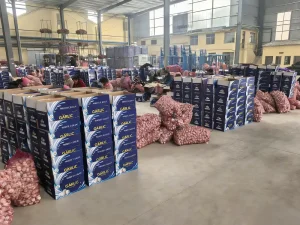
The success of your garlic import business in Ghana depends on the supplier’s reliability. In the world, you will find several garlic suppliers. Among these, Fenduni Garlic Company is one of the most trustworthy options. It is known for large-scale garlic production and organized exports.
This company has over 20 years of experience exporting garlic to several countries. When you partner with them, you will not encounter any import-related issues. Also, Fenduni Garlic Company provides a consistent supply of garlic year-round. They provide almost all types of garlic, from white to purple and dried. This is because of their cold storage facilities, which help garlic stay fresh for a long time.
So when the garlic reaches you, it will be fresh. Lastly, the prices you pay for garlic at Fenduni Garlic Company are very affordable. Generally, garlic prices are higher in European countries due to higher labor costs. But in China, you can find affordable garlic varieties for starting a business in Ghana.
Conclusion
Garlic is one of the most widely used ingredients in the world. But it is not produced in good quantities everywhere. That is why countries like Ghana import garlic from different countries. Among them, China is the most reliable garlic supplier, which produces a huge amount of garlic. Also, it supplies garlic in organized ways at a lower cost.
That’s why, as an importer partnering with a Chinese garlic supplier, it can be a huge benefit. But when it comes to importing garlic in Ghana, many get confused. Hence, this guide explains the step-by-step process. Remember, the key to this business is planning. You need to carefully calculate shipping charges, import duties, your investment, and profits.