
China stands at the forefront of the global garlic market. With 73% of the global market share and unbeatable prices, China is your best sourcing option. But how do you get your garlic from the garlic provinces of China to your local market? Let’s break down your shipping options and how to maximise your profit margins.
FOB and CIF are the most common incoterms used in global trade. Incoterms are standard international terms of agreement between the buyer and seller. They were introduced to cover the transport of goods. They clearly define each party’s responsibilities during the shipment of goods.
What is CIF?
CIF stands for Cost Insurance and Freight. CIF guarantees the seller covers the costs of shipping, insurance, and freight. CIF can only apply to shipments via waterways, both inland and sea. CIF may be the preferred option for new importers. However, it may be good from afar but far from good. The safety net of relying on an experienced exporter can provide peace of mind. However, it may also expose you to unexpected hurdles. When choosing CIF for your imports, it’s important to understand the responsibilities.
Responsibilities of the seller in CIF
When opting for a CIF agreement, the seller is required to;
- Bear the costs incurred until the goods are delivered to the port of origin.
- Carry out export clearance and transactions for the goods.
- Acquire and bear the costs of insurance against risk and damage while goods are in transit.
- Bear freight cost and facilitate freight contract.
- Inspecting the goods before dispatch.
Responsibilities of the buyer in CIF
The buyer needs to do the following.
- Provide the seller with all the necessary information to acquire additional insurance.
- Assist the seller with any necessary export documentation upon request.
- Receive and unload the goods at the destination port.
- Facilitate custom clearance.
- Provide payment for the goods.
- Cover charges for unloading and transportation of the goods.
According to the terms of CIF, cost transfer occurs at the destination port. However, risk transfer occurs as soon as the goods are loaded onto the ship. This means that although the seller covers the transport costs, you are liable for risks. The goods are considered delivered by the seller once they are shipped. In case of any damages or loss, it is your responsibility to file a claim with the insurer.
CIF is popular because it simplifies the sourcing of goods for inexperienced buyers. The seller handles the heavy lifting while the buyer simply pays the agreed-upon rate. This arrangement gives the seller control over costs, delivery time, and freight services. If you want a more hands-on approach to your sourcing, CIF may not be the option for you.
Since the seller handles most of the work through his agent, CIF has a common downside.
Understanding the China Import Service Fee
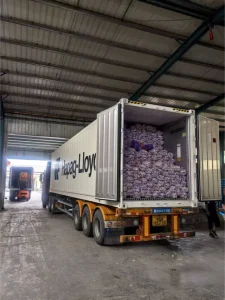
This is a hidden fee that only appears after the goods arrive at the destination port. This fee applies to small importers who ship less than container load (LCL). It is called a hidden charge because it is not included in the original invoice amount. This fee is applied by the seller’s agent at the destination port and cannot be negotiated or disputed. Oftentimes, importers are unable to claim their goods until this fee is cleared. This is not only frustrating but can also lead to storage fees.
Experienced importers can always avoid this charge by engaging a freight forwarder of their own. However, as a newbie doing first-time shipping, this cost can be a nuisance.
What is FOB?
FOB stands for Free On Board. This agreement determines when the liability and ownership of goods are transferred. In FOB, you will come across the terms;
FOB Origin: The buyer assumes responsibility for the goods upon shipment.
FOB Destination: The seller is responsible for the goods until the buyer receives them.
Below, we will explore FOB Origin for your shipping needs. In FOB, you control your shipping costs. This can be done by finding the best freight options and agents. However, once the goods are shipped, the buyer bears all costs and responsibility.
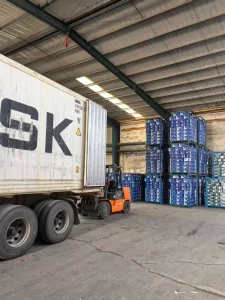
Responsibilities of the seller in FOB
As per the terms of FOB, the seller must do the following.
- Package the goods and prepare them for transportation to the origin port.
- Transport the goods from the warehouse to the port.
- Load the goods on board a vessel described by the buyer.
- Handle export documentation.
Responsibilities of the buyer in FOB
- Specify the loading point within the port.
- Provide the vessel’s name.
- Contract a freight forwarder.
- Establish a contract.
- Make freight payment to the destination point.
- Insure the goods being transported.
- Receive the goods.
- Facilitate import clearance.
With FOB, you are in control of your shipment. From costs and insurance to choosing your freight forwarders. FOB can often feel intimidating for new importers due to the logistics involved in shipping. However, if you are bold enough to use the global market, you’re bold enough to secure the profit.
Why FOB over CIF?
Cost Control
Taking the wheel on your shipment ensures you work with forwarders that fit your budget and timing goals. With CIF, a lot depends on the trustworthiness of your supplier and their agents. FOB also ensures you never have to negotiate a hostage situation over your goods due to hidden fees.
Insurance Options
With CIF, you settle for the insurance provided by your supplier. FOB allows you to obtain insurance that aligns with your shipping needs and schedule. This can help mitigate the risk of your goods being uninsured at any time.
Clear Terms of Transfer
With FOB, the terms of transfer of risk and costs are clearer. This makes working in this uncharted territory more achievable.
Conclusion
Using the global market for your garlic business doesn’t have to break your back. With the right information and options, you can develop a foothold in your local market. Get on top of the logistics of building your brand with FOB. Know how you source, protect, ship, and deliver your most valuable products. Don’t just sell garlic, sell trust in your product.