
Chinese garlic is famous worldwide for its high quality. It is more than a food for Chinese people. With a history of more than 2000 years, it has become an integral part of Chinese people’s lives. As a result, it has become part of the culture, not just a simple food.
You may wonder about the history of Chinese garlic. If you want to learn more, this guide will uncover its history. Today, we will explore Chinese garlic and why it is a crucial part of history!
The History of Chinese Garlic

Garlic has a history dating back 2,000 years.
Zhang Qian and the Silk Road
Garlic is not a new farming practice. It is a food associated with Zhang Qian’s journey to Central Asia in the 2nd century BCE. During that time, people planted and harvested garlic. As an important component, it has remained part of history since then.
The Spread of Garlic Cultivation
With its excellent taste and quality, it became a staple food. Over time, it spread around the globe as a food ingredient. Today, the world understands the importance of garlic cultivation.
From Imported Crop to Everyday Ingredient
No longer a special, occasional food, it gained immense attention. The Chinese began using it as an everyday food ingredient for its excellent taste and results. As a result, people use it in daily cooking across regions worldwide.
A History Spanning Generations
Since Chinese garlic has been farmed for more than 2 centuries, it has been part of many generations. Today, it is more than food; it is part of history.
Garlic in Chinese Culture and Cuisine
Garlic has been a staple in Chinese cuisine.
As a Cooking Essential
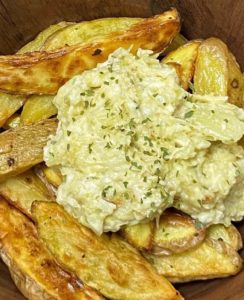
One of garlic’s key functions in Chinese cuisine is adding aroma and flavor. It adds flavor to different foods. For example, Chinese stir-fries, vegetable dishes, noodles, and meat recipes often use garlic.
Paste and Dipping Sauces
People often mix crushed garlic with other ingredients, such as vinegar, soy sauce, sesame oil, or chili. This simple mixture creates dipping sauces for meat and vegetables. It enhances the flavor and makes food more appetizing.
Regional Cooking Traditions
Cooking practices vary by region. Even garlic use varies widely. For example, Sichuan cuisine combines garlic with bold seasonings. In contrast, northern Chinese meals often use raw garlic. Both create different flavors and characteristics.
Fresh, Fried, and Preserved Garlic
Chinese chefs use garlic in different forms. Some popular options include fresh cloves, fried garlic, and preserved preparations. Each has a distinct taste and effect.
Laba Garlic: A Traditional Chinese Winter Food
Laba garlic is famous for its connection with the Laba festivals and Chinese history.
What Is Laba Garlic?
In Chinese, Laba garlic is known as Làbā suàn. It is a famous garlic type in Northern China and is often associated with the Laba festivals. Hence, it is named Laba garlic.
How Is Laba Garlic Prepared?
Peeled garlic is soaked in vinegar for some time. It turns green and develops a tangy flavor. It is well known across Northern China for its taste.
Companion to Dumplings
One of the key uses of laba garlic is pairing it with dumplings. It creates a distinctive flavor.
A Tradition of Family and Celebration
Using laba garlic for family gatherings connects individuals. It has become part of family traditions across generations.
Garlic in Traditional Chinese Medicine

Chinese garlic is used in medicine and offers many health benefits.
Traditional Uses of Garlic
For decades, and even centuries, garlic has been a key component of Chinese medicine. It supports the digestive system and other parts of the body.
Garlic and Natural Compounds
Researchers have been drawn to garlic because of its natural compounds. Key components include essential sulfur compounds. These compounds provide flavor and enhance garlic’s taste.
Modern Research on Garlic
Modern research on garlic has been diverse. This research explores garlic’s additional health benefits. Many studies have claimed beneficial effects of garlic on the cardiovascular and digestive systems.
Food Is Not a Replacement for Medicine
Remember one key thing here. Garlic is a food with some health benefits. But don’t treat it as a direct replacement for medicine. It isn’t a medicine, but it can be a key ingredient in some medicines.
Chinese Garlic and the Silk Road: A Shared Heritage
Garlic and the Silk Road have an important connection.
Ancient Trade and Cultural Exchange
The Silk Road connected China to Central Asia and facilitated the exchange of crops and other foods. It helped spread Chinese garlic across Asia and beyond.
Garlic Across Different Cultures
It has become part of many cultures. Today, restaurants in China, Asia, the Middle East, and Europe use garlic in their dishes. They have developed their own recipes, preservation methods, and cooking techniques.
China as a Major Garlic Producer
China is now leading the way with its high-quality garlic supply. It is the world’s largest garlic producer and exporter. With proper processing and storage facilities, it supports imports and exports.
More Than a Trade Commodity
Chinese garlic represents more than a trade commodity. It shows culinary knowledge, traditional practices, and stories of cultural exchange. It connects communities across borders and helps build strong relationships.
Sonuç
Chinese garlic is not a commodity; it is a culture. With 2000+ years of history as a staple food, it has gained attention. Over time, newer and more advanced production methods have emerged. Suppliers focus on farming and harvesting to protect this food. From the Silk Road to garlic paste and Laba garlic, Chinese garlic connects history and people.
If you are looking for high-quality garlic supplies, trust Fenduni Sarımsak Tedarikçileri. We farm garlic on a large scale and provide reliable garlic supplies. Our production methods also deliver high productivity and results. If you want fresh garlic, contact us right away!