
Garlic production isn’t a one-day job. It involves a thorough process of farming, production, harvesting, and processing. Months of work go into every garlic bulb. Farmers wait for the crop to mature and then harvest it. This process takes several months.
Today we will dive deep into the garlic production and harvesting cycles. Understand the blood, sweat, and tears of the farmers behind the garlic supply.
The People Behind Garlic Farming
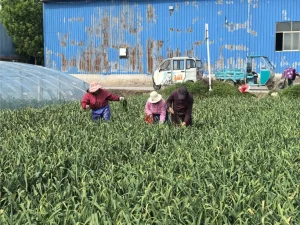
Garlic farming is a comprehensive process that involves selecting the right garlic variety and managing production step by step.
Garlic farming is a combined effort.
Farmers and agricultural experts work together to plan garlic farming. They decide on the quality of the garlic supply and support the farming process. Environmental factors and seasonal changes also play a role. For example, garlic grows best in moderate temperatures, such as in autumn. It shows slow growth in winter.
Prepare and maintain the soil.
Before farming begins, prepare the soil. Soil preparation involves various methods to increase soil fertility. Adding organic matter can improve soil conditions.
Also, maintain the soil based on farming and harvesting conditions.
Select healthy planting cloves.
Healthy cloves help garlic grow better. Clove selection is a careful process that ensures you plant only healthy garlic. Since cloves grow into full garlic plants, inspect them for damage and discard low-quality or damaged cloves to avoid issues with garlic production.
Manage irrigation and weeds.
Planting garlic is not the only job. Weed and plant management and preparation are also critical. Proper irrigation and timely water supply support healthy garlic growth. Identify and remove weeds that obstruct garlic growth.
Monitor plant growth and crop health.
Plant growth is critical and must be managed. Over time, monitor growth, check crop health, and take necessary measures.
Harvesting, drying, and sorting the bulbs
Once garlic is ready, farmers harvest the garlic and process it for storage and shipping. Garlic storage involves drying and sorting the bulbs. For safe shipping, it needs safe, suitable packaging. It must keep the garlic safe.
Understanding the Seasonal Garlic Farming Cycle

The seasonal garlic farming cycle runs from autumn to summer. It involves farming and harvesting periods.
Autumn: Preparing the Soil and Planting Garlic
Autumn is the most favorable period in most regions. It provides ideal temperatures and conditions for preparing the soil. During this season, farmers prepare the soil. Depending on conditions, farmers may improve soil fertility with organic matter and nutrients.
Healthy cloves are separated and planted separately. This is because each clove grows into a new plant. Environmental conditions matter, as extremely low temperatures can put garlic into dormancy.
Winter: Protecting the Crop
Winter is a period of slow growth that can slow garlic production. During this period, the main goal is to protect the crop and keep it in a suitable state for growth.
In areas with extreme winter conditions, the crop may need proper protection. It helps with the growth process.
Spring: Harvesting Garlic Scapes
Spring is an important period for garlic farming and production. Many hardneck garlic varieties produce the flower stalks known as the garlic scapes. These stalks may curl. However, most garlic farmers cut these long, green stems to direct more resources to bulb growth.
One of the most important things when harvesting garlic scapes is handling them carefully. Workers should avoid damaging the leaves.
Are Garlic Scapes Edible?
There is one question often asked. Garlic scapes are edible and have a mild garlic flavor and a fresh, green texture. Their taste is generally less intense compared to mature garlic cloves.
Garlic scapes are famous for use in:
- Stir-fries and noodle dishes.
- Pesto, sauces, and dips.
- Soups and vegetable dishes.
- Pickles and fermented foods.
- Grilled or roasted vegetable sides.
Summer: Harvesting Mature Garlic Bulbs
Summer is the main period for harvesting the garlic planted in the autumn. Before harvesting, properly inspect the garlic supply. As the bulb matures, lower leaves often turn yellow and dry. Growers examine the overall condition.
Harvesting too early can cause smaller bulbs, while harvesting too late can cause bulb wrapping and deterioration.
The Garlic Harvest Process: From Field to Market
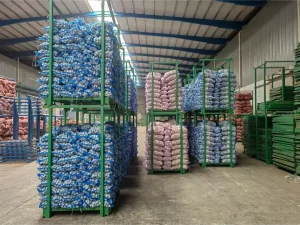
Harvesting is a careful process that involves multiple steps from field to market.
Step 1: Checking Crop Maturity
Farmers inspect the crop maturity and leaf conditions. Other factors may also influence the timing, such as garlic variety, local weather, and expected storage requirements.
The goal is to harvest garlic when the bulbs are mature enough and ready for harvest. Immature or overripe garlic may show signs of deterioration.
Step 2: Lifting the Bulbs Carefully
Depending on farm size and equipment availability, you may need to harvest by hand. During this process, carefully lift the bulbs by hand.
Careful lifting is essential to protect the garlic bulbs. If bulbs are damaged, they may have storage problems in the long run.
Step 3: Curing the Garlic
Freshly harvested garlic has moisture and requires proper drying. Curing garlic removes moisture.
Cure the garlic in a dry, clean environment. Ensure proper curing by drying the outer wrapper and neck.
The exact curing duration depends on weather, variety, and drying conditions.
Step 4: Cleaning and Sorting
After curing, growers clean and sort the garlic. Removing soil and cleaning properly prepares the garlic for commercial use.
Growers may sort the garlic into different categories based on the following features.
- Bulb size and appearance.
- Physical damage.
- Variety and market requirements.
- Suitability for storage or immediate sale.
Step 5: Packaging and Distribution
Once you have garlic supplies ready, package them in mesh bags and other suitable packaging options. Farmers, wholesalers, distributors, retailers, and food businesses import and export garlic supplies to run their businesses.
During transit, garlic is at risk of damage. Prepare garlic in quality packages and provide seamless shipping facilities.
Conclusão
Garlic production and harvesting should be timed properly to support healthy growth. Harvesting too early or too late can cause garlic supplies to deteriorate. After harvesting, cure properly to store garlic for extended periods.
For high-quality garlic supplies, contact Fornecedores de alho Fenduni. We farm and produce garlic on a large scale with quality harvesting and storage options. Our shipping facilities ensure safe delivery of garlic supplies. Contact our experts for a quote for your project!